
Preclinical & Translational Research

Saving Horseshoe Crabs, Advancing Science with Modern Alternatives for Pyrogen and Endotoxin Testing
In a landmark shift that blends scientific progress with environmental responsibility, the United States Pharmacopeia (USP) has endorsed the use of non-animal-derived reagents for endotoxin testing. This decision marks a pivotal advancement in pharmaceutical safety testing while paving the way for a more ethical and sustainable industry standard. For decades, the pharmaceutical…
Read More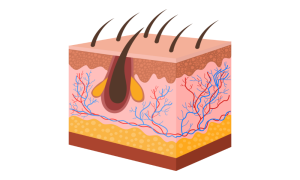
The Role of Human Skin Equivalent (HSE) Models in Advancing Monoclonal Antibody Drug Development
Monoclonal antibody (mAb) drug development is rapidly evolving, driven by growing demand for precision therapies and a regulatory push toward non-animal testing methods. In this dynamic environment, Human Skin Equivalent (HSE) models are emerging as a powerful preclinical tool, especially for mAbs targeting dermatologic conditions or systemic diseases with skin involvement. As…
Read More
The Importance of Viral Clearance Testing in Biotherapeutic Product Development
Viral clearance testing is a complex process that is crucial for ensuring the safety and efficacy of biotherapeutic products via demonstrating effective inactivation or removal of viruses during the manufacturing processing steps. Since each biotherapeutic product is unique in material, design, and processing, each viral clearance study is a custom…
Read More
Cytotoxicity and Cell Viability: The Big Picture
Determining cytotoxicity is a critical step in assessing the biocompatibility of medical devices, biomaterials, and drug screening. There are a wide variety of methods available to researchers; however, too often cell-based assay results indicating poor cell health without greater context slow down or halt progress on the development of a…
Read More
Medical Device Testing Strategies for an Effective Regimen
All medical device manufacturers strive to ensure devices and biomedical technologies are safe, efficacious, and fit for intended use. The biggest roadblock to accomplishing this is medical device testing to determine the most appropriate regimen for the device and its use. Although speed to market is key, a medical device…
Read MoreEx Vivo Model Publication
We’d like to share the recent publication in Wound Management & Prevention by the great team at Rochal Industries Inc and iFyber team led by Nina Bionda. It highlights the efficacy of wound cleansers in two relevant biofilm models. The ex vivo porcine dermal model of mature biofilms is routinely used by our…
Read MoreiFyber offers GLP compliant testing services
I’m pleased to announce that we have added GLP-compliant testing to our service offering. We focus on custom testing and method development early in the development process, especially for medical device, drug, and biologic manufacturers in the wound care and regenerative medicine space. GLP capability adds an additional level of…
Read More
Ex Vivo Biofilm Model: A Bridge to Animal Models
iFyber today released a whitepaper on an ex vivo model for mature biofilms. The model provides medical device and drug developers a new option to bridge the gap between traditional in vitro biofilm models and in vivo animal studies. Read more here.
Read More