
Resources
Webinar: Strengthening Wound Care Clinical Studies through Integrated Microbiology and Biomarker Analysis
Unlocking Biological Insight in Wound Care Clinical Studies
Clinical endpoints alone don’t explain why a treatment works or fails. Learn how integrating microbiology, molecular biomarkers, and histology into clinical trial study design can generate deeper, more actionable insight.
June 24th, 2026 at 1 PM ET
Wound care clinical studies are often evaluated using endpoints like wound size reduction, healing rate, or time to closure. While necessary, these measurements rarely explain the biological mechanisms driving those outcomes.
For teams developing advanced therapies, devices, or biomaterials, this creates a critical gap. Without insight into microbial burden, host response, or tissue-level changes, it becomes difficult to explain performance, differentiate products, or refine development strategies.
This webinar explores how integrating laboratory-based analysis into clinical trial study design can bridge that gap. iFyber will walk through how microbiology, molecular biology, and histology can be used to generate more meaningful insight from clinical samples.
Reserve your spot to learn how to design studies that go beyond surface-level outcomes and connect biological mechanisms to clinical results.
What this session will cover:
- Integrating Lab Analysis into Study Design: How early inclusion of laboratory endpoints strengthens protocols and improves data interpretation.
-
Microbiology in Wound Studies: Evaluating microbial burden, biofilm, and microbiome dynamics using culture-based and molecular methods.
-
Molecular Biomarkers and Host Response: Using gene expression and molecular analysis to understand inflammation, immune activity, and tissue repair.
-
Histology and Tissue Evaluation: Assessing tissue structure, regeneration, and treatment impact beyond surface-level outcomes.
-
Sample Collection and Logistics: Best practices for collection, handling, and transport to preserve sample integrity across sites.
-
Case Studies and Translational Insight: Examples showing how integrated analysis explains performance and generates meaningful evidence.
Who should attend:
- Scientists and researchers supporting clinical-stage wound care programs
- R&D and translational teams in medical device, biotech, and biomaterials companies
- Clinical and preclinical leaders seeking deeper insight into treatment performance
- Teams evaluating or managing laboratory testing within clinical studies
Speaker Information
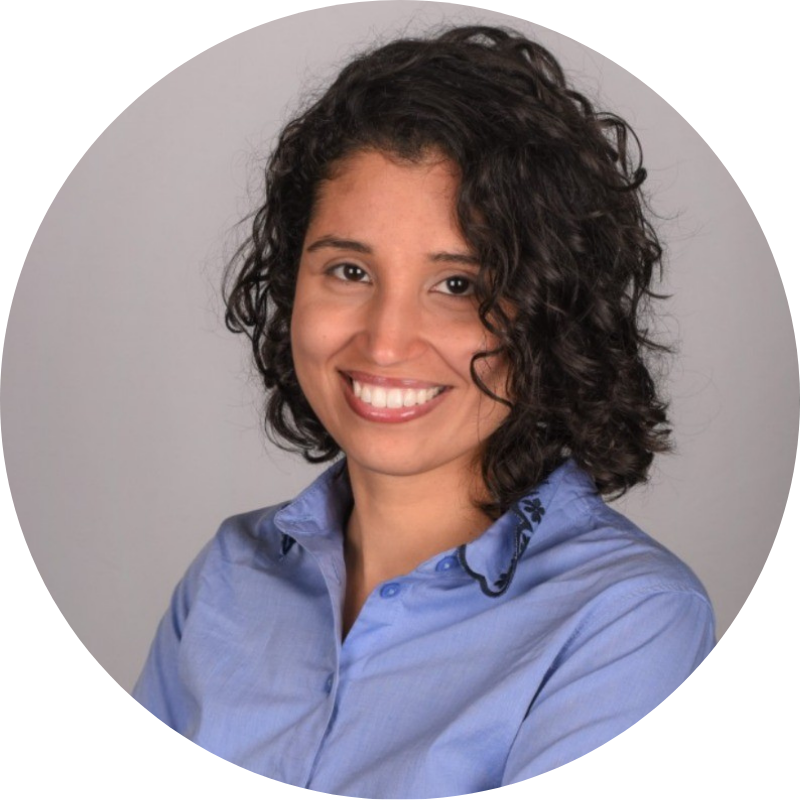
Mariely Medina-Rivera, MS, PhD
Senior Research Scientist, iFyber
Mariely Medina-Rivera is a Senior Research Scientist at iFyber, specializing in microbiology, molecular analysis, and translational testing to support clinical and preclinical studies. Her work focuses on applying laboratory-based methods to better understand treatment performance, including microbial burden, biofilm dynamics, and host response in wound care and device-related applications.
She has experience designing and executing studies that integrate microbiological, molecular, and histological endpoints, helping bridge the gap between laboratory data and clinical outcomes.
About iFyber
iFyber is a contract research organization specializing in microbial control, tissue and biofilm models, analytical assays, and custom testing platforms for life sciences, medical devices, and advanced materials.
With multidisciplinary expertise in microbiology, molecular biology, and histology, iFyber supports clinical and translational studies by delivering integrated testing approaches that generate meaningful, actionable insight.